
I hung up my keys a few years back after decades on the road. These days, when I look at the trucking industry, it’s clear that technology has changed things in a big way. Some of it, I’ll admit, makes me wish I had it back when I was running miles. Other parts… well, let’s just say I’m not sure I’d enjoy driving with all the new rules and gadgets.

Back in my day, you ran with a road atlas, a CB radio, and a good sense of direction. Today, trucks are hooked into telematics and GPS tracking systems that tell dispatch exactly where you are at all times.
On the good side, that means fewer “check-in” calls, better routing, and customers getting real updates instead of guesses. Fuel savings, less idle time, smoother dispatching—it all makes sense.
But there’s a downside too. Drivers have a lot less privacy, and every little detail of how they drive can be tracked and graded. When I was driving, you had more independence. Now, it feels a little like the truck is watching you as much as you’re driving it.
I know alot of drivers will disagree with me but one thing I don’t miss is paper logs. I spent plenty of nights at the diner counter, ruler out, trying to make the lines look neat for the DOT. Electronic Logging Devices (ELDs) have taken all that away—automatically recording hours of service and keeping everything neat and tidy.
That’s a win for compliance and saves a lot of time. But I’ve also heard plenty of drivers complain that ELDs force them to run against the clock. Sometimes you’re 15 minutes from safe parking, but the machine doesn’t care—it just shuts your day down. Back when it was paper, you had a little wiggle room to make things work.
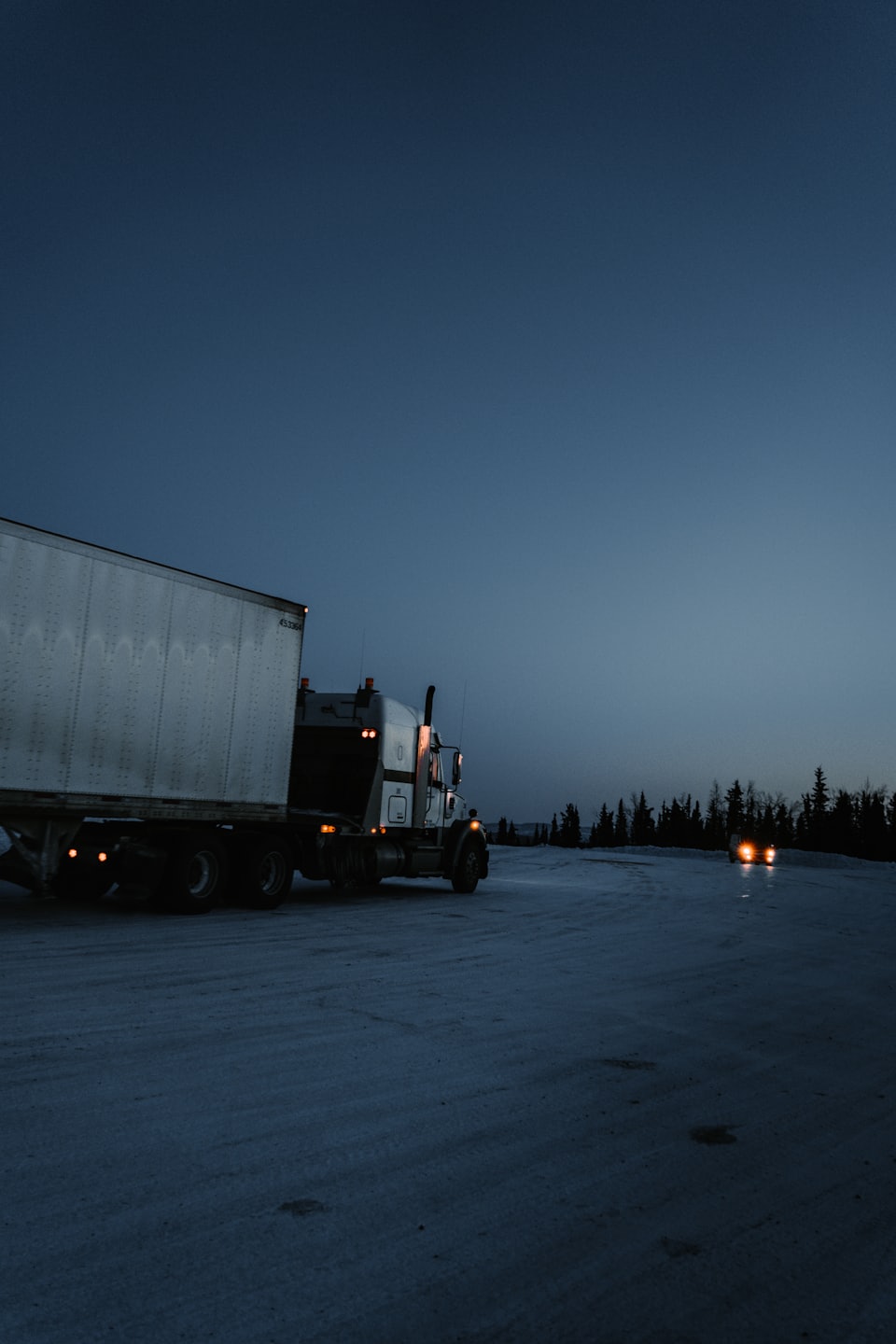
I still remember one winter night in Pennsylvania, long before GPS. I had a paper map spread across the steering wheel, squinting under the dome light, trying to find a back road to a customer that wasn’t marked clear on the atlas. Snow was coming down hard, and the CB chatter was nothing but static. I finally flagged down another driver at a truck stop, and we spent half an hour with coffee and a map, tracing out the best way.
Today? A driver punches the address into the dash, and the truck practically tells you when to turn. That convenience is hard to beat. But there was something about figuring it out yourself—something that made you feel like a real road man.
The Road Ahead
From where I sit, retired and watching from the sidelines, I see a mixed bag. The good: less paperwork, safer trucks, better efficiency. The bad: less freedom, more monitoring, and a pace that sometimes feels controlled by computers instead of drivers.
I respect the men and women still out there making it work. Trucking has always been about adapting—whether it was switching from paper maps to GPS, or now from clipboards to tablets. One thing hasn’t changed: it’s still hard, honest work that keeps this country moving.